
5 Ways to Celebrate Earth Month At Work
Every April, Earth Month rolls in alongside the energy of Spring—more daylight, fresh starts, and a natural moment to reset.
It’s also one of the easiest opportunities of the year to bring teams together to Do Good and Feel Good—stepping away from the day-to-day to engage in something that creates real impact.
Sustainability is shaping how people choose where they work, who they trust, and what brands they align with. The expectation is no longer “say the right thing.” It’s do the right thing—and back it up.
In this HOST Blog, we break down five Earth Month ideas that are easy to implement and designed to create real impact across remote, hybrid, and in-person teams.
5 Fun & IMPACTFUL EARTH MONTH ACTIVITIES
1) SUSTAINABILITY IMPACT TEAM BUILDS
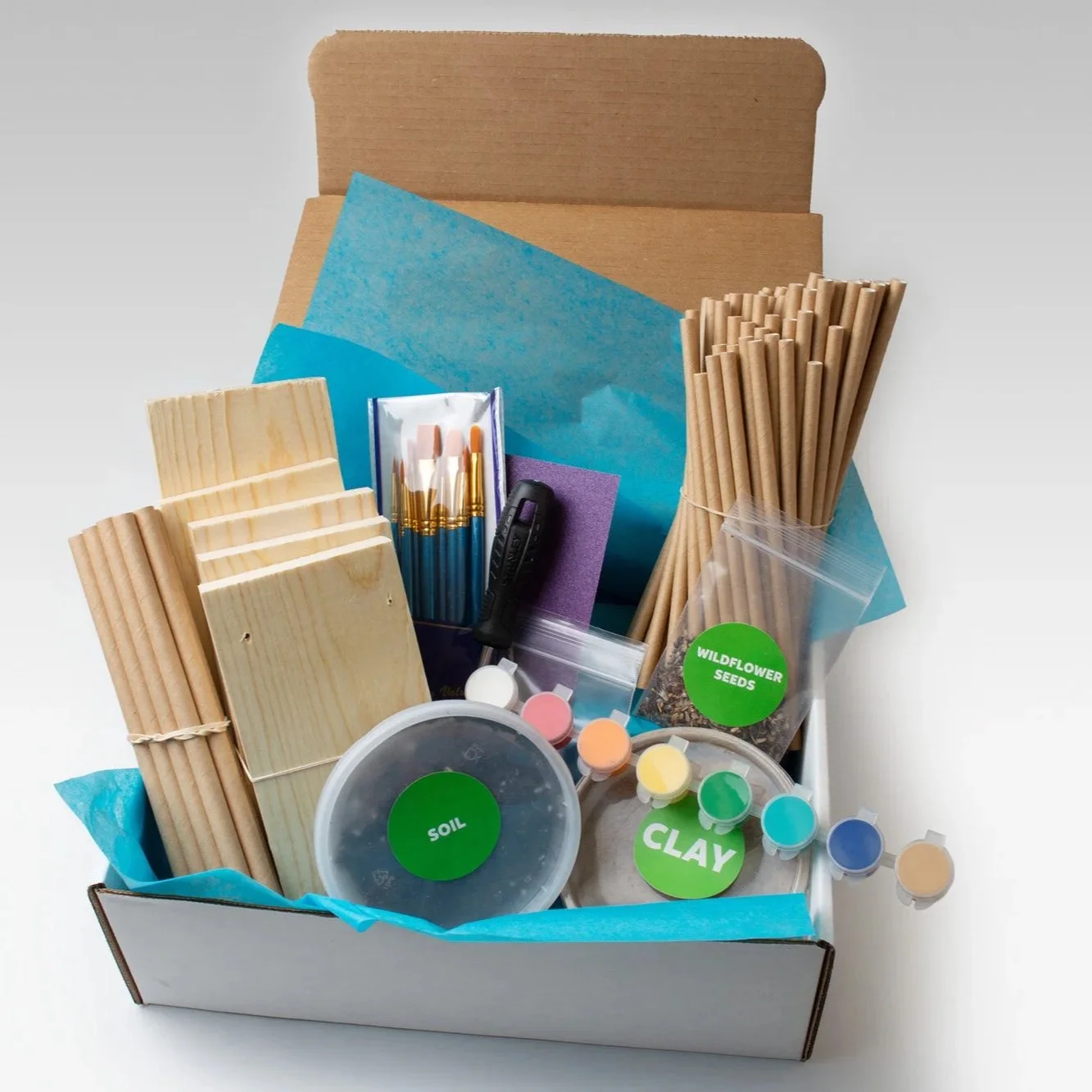
HOST Events Bee Box Kit
This is one of the easiest ways to create a shared experience—even for the most distributed teams.
Sustainability impact builds take things out of the abstract and into real life. Instead of talking about environmental impact, teams actively create it—through hands-on projects like Native Bee Pollinator Boxes, Backyard Birdhouses, and Mason Jar Gardening kits.
Each project is designed to support real ecosystems while giving participants something tangible they can take home, use, and continue to engage with—whether that’s a backyard garden, a community space, or even a windowsill.
It’s simple. It’s engaging. And it creates impact that extends beyond the event itself.
At HOST Events, these builds are designed to work seamlessly across remote, hybrid, and in-person teams—because impact shouldn’t be limited by location. Whether onsite or joining from across the country (or globe), everyone contributes to the same outcome.
Why It Works
Hands-on and interactive—people are actively creating, not passively attending
Extends beyond the event—projects live on in homes and communities
Naturally inclusive—roommates, kids, and families often get involved
Scales globally—different locations, same experience, shared outcome
Birds and pollinators are essential to healthy ecosystems—supporting plant growth, food systems, and biodiversity. Creating habitats like birdhouses and pollinator boxes helps restore what’s been lost and supports long-term ecological balance.
2) Desktop Gardens (Wellness Meets Sustainability)
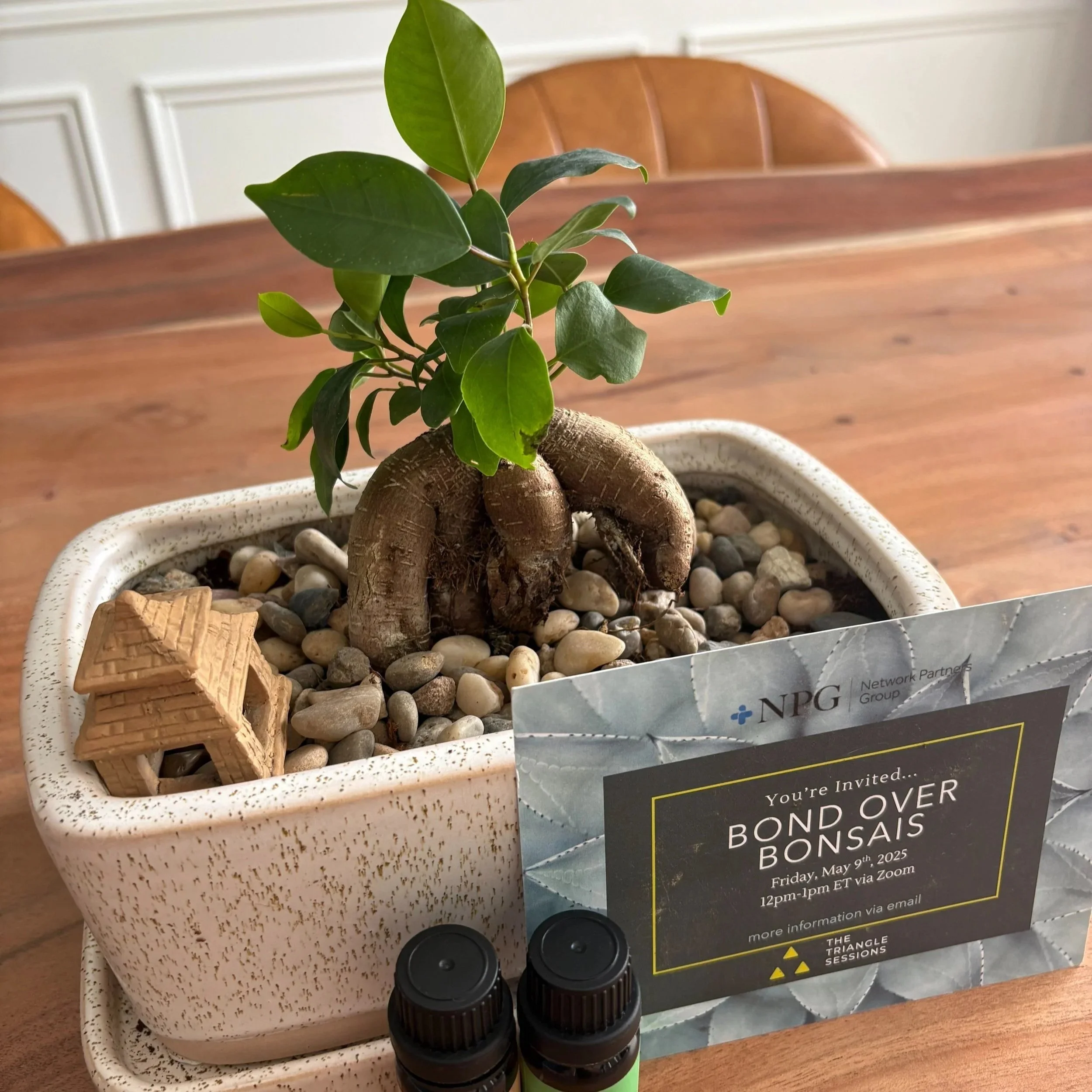
HOST Events Bonsai Kit
This is where Earth Month becomes part of the everyday—not just a one-time event.
Desktop garden experiences—like bonsai, succulents, and mason jar herb gardens—give people something simple, tactile, and lasting. It’s not about overcomplicating sustainability. It’s about making it visible and easy to engage with.
These are the kinds of experiences that don’t end when the event does. They stay on desks, in kitchens, on windowsills—quietly reinforcing the connection between environment, wellness, and daily routine.
At HOST, we design these experiences to feel approachable and polished—something people actually want to participate in, not something they feel like they have to.
Why It Works
Easy to engage with—no experience needed, low lift for participants
Extends beyond the event—plants become part of daily workspaces
Supports wellness—encourages moments of pause, care, and reset
Highly flexible—works seamlessly across remote, hybrid, and in-person teams
Studies show that incorporating plants into workspaces can reduce stress, improve mood, and increase overall satisfaction with the environment—making even small additions like desk gardens a meaningful part of employee wellness.
3) OCEAN Conservation EXPERIENCES

Shark scientist, Justin Blake leading a HOST Events Deep Breath Deep Focus workshop
Shift Earth Month from “nice idea” to wow, I didn’t know that.
Ocean conservation experiences—like Shark Talks led by scientist and free diver, Justin Blake—bring people face-to-face with the reality of our ecosystems in a way that feels immediate, human, and memorable.
This isn’t passive learning. It’s storytelling, science, and perspective—all delivered through someone who has actually lived it.
At HOST, these experiences are designed to pull people in with real-world insight that connects the dots between environment, behavior, and impact—showing just how closely we mirror the systems we depend on.
Why It Works
Story-driven—people engage with real experiences, not presentations
Memorable—unexpected content keeps attention high
Expands perspective—connects everyday actions to global impact
Scales easily—ideal for remote, hybrid, and in-person audiences
The ocean produces over 50% of the world’s oxygen and absorbs a significant portion of global carbon emissions—making ocean health critical to climate balance and life on earth.
4) Create an Office Green Space
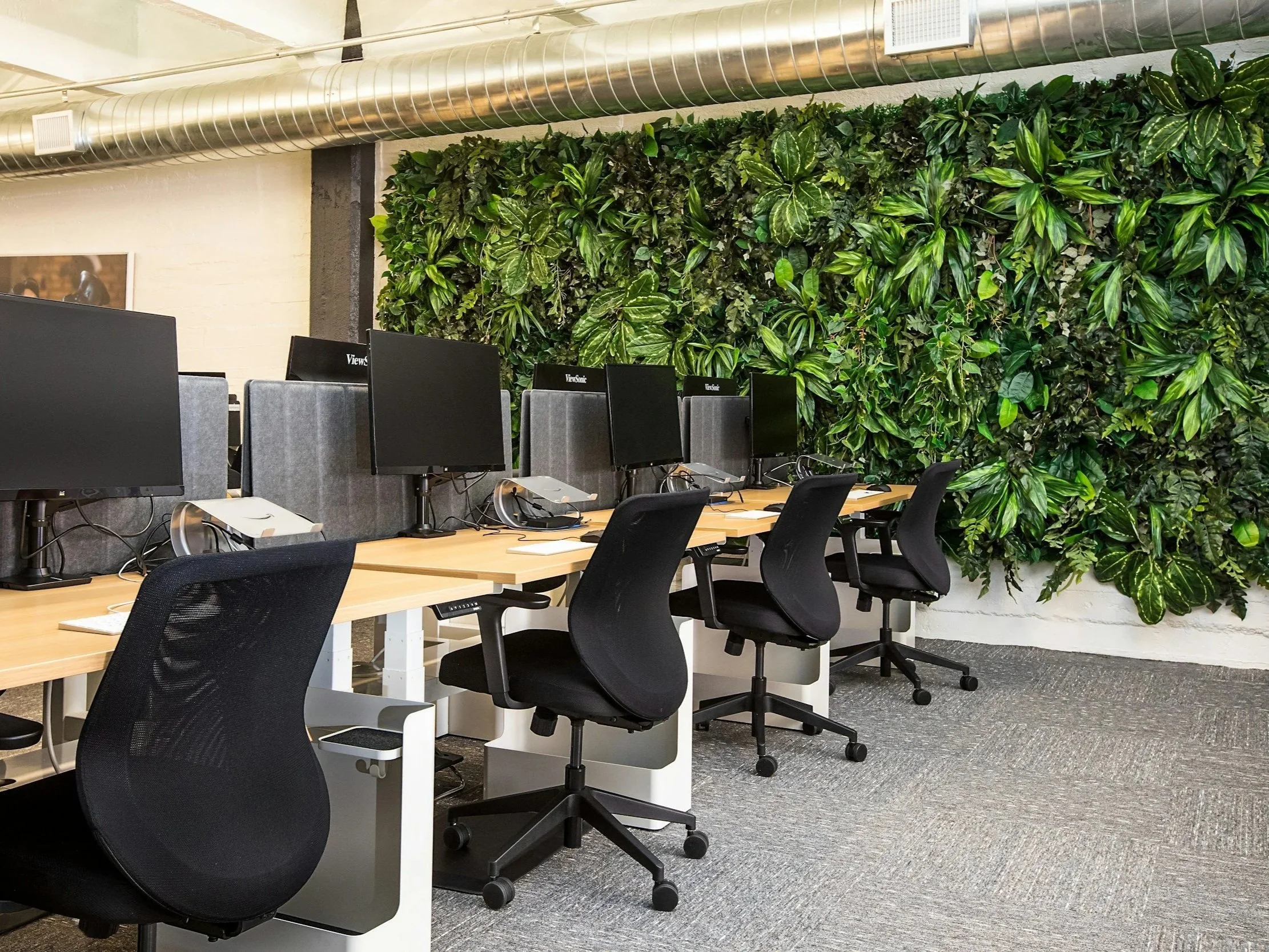
Living plant wall
Not every Earth Month initiative needs to be an “event.”
Sometimes the most effective move is creating something that lives beyond a single moment.
An office green space—whether it’s a small indoor plant wall, a shared herb garden, or a simple outdoor setup—turns sustainability into something people can actually see, use, and engage with daily.
It doesn’t need to be elaborate. In fact, the simpler it is, the more likely it is to stick.
This is about creating a space that invites people in—a place to reset, take a break, and reconnect, even for a few minutes in the middle of the day.
Why It Works
Visible and ongoing—sustainability becomes part of the environment, not a one-time initiative
Encourages daily engagement—people interact with it naturally over time
Supports wellness—provides a space to reset and step away from screens
Builds shared ownership—teams contribute to something collectively
How To Activate It
Kick off with a team planting day or build-out session
Assign light ownership (watering, upkeep, seasonal refresh)
Keep it simple—low-maintenance plants and realistic expectations
Tie it into Earth Month, then let it continue beyond April
Access to green spaces has been linked to reduced stress, improved mood, and increased productivity—making even small, shared environments a meaningful addition to the workplace.
5) No-Commute Day (Reduce Impact + Give Time Back)
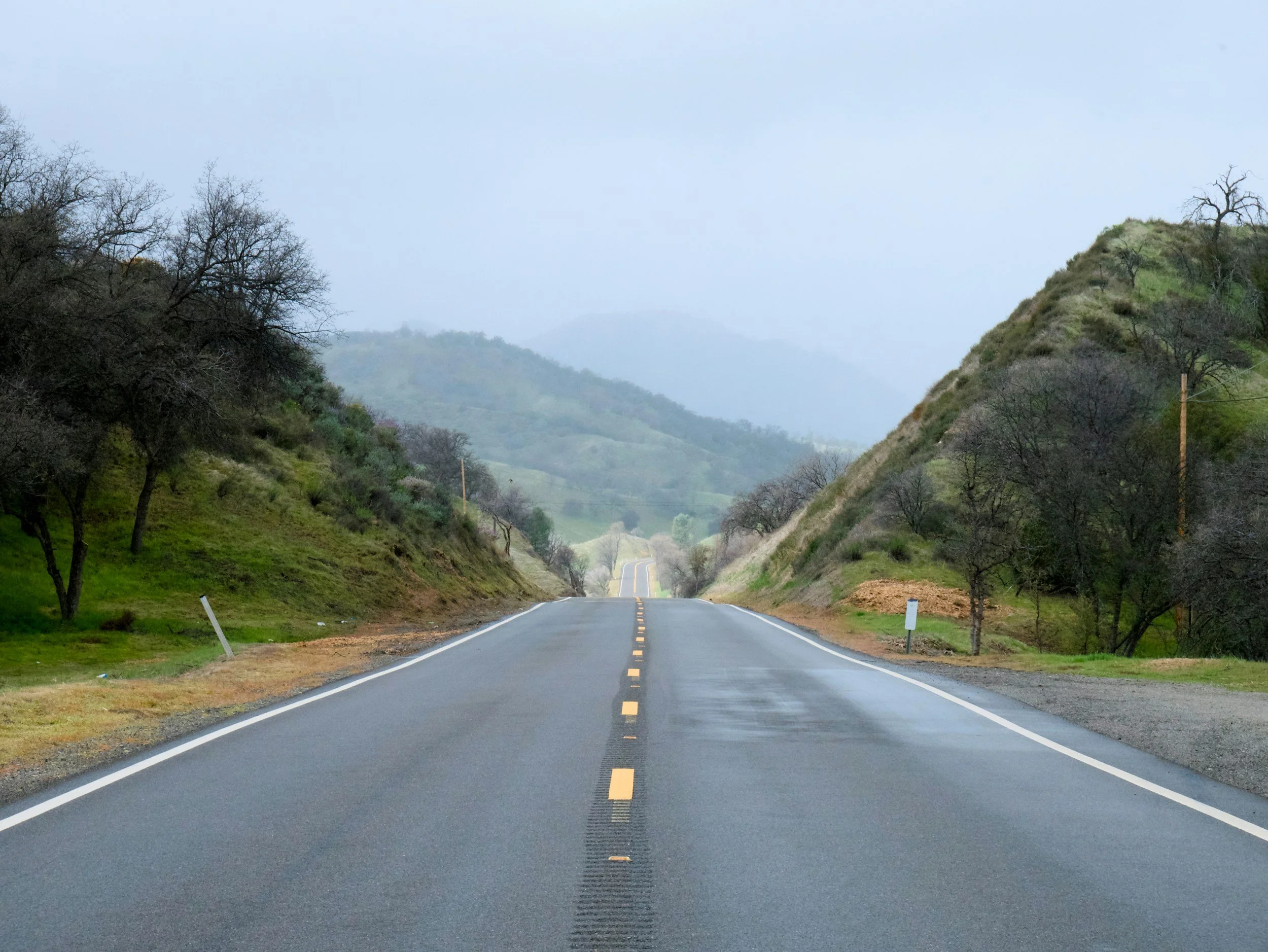
Sometimes the most effective Earth Month idea is also the simplest.
A No-Commute Day gives teams a reason to pause their daily travel—reducing emissions while giving people time back in their day. No trains, no traffic, no rushing from place to place.
It’s practical. It’s immediate. And it makes the impact easy to understand.
This isn’t about overengineering a program. It’s about making a smart, intentional shift—and reinforcing that small changes, done collectively, add up.
Why It Works
Immediate impact—reduces travel-related emissions in a measurable way
Easy to implement—no heavy lift or complex logistics
Gives time back—less commuting, more flexibility in the day
Inclusive—works across remote and hybrid teams naturally
How To Elevate It
Designate a company-wide No-Commute Day during Earth Month
Encourage teams to cancel non-essential travel and meetings
Pair it with a virtual experience or team moment to keep connection strong
Share participation or impact internally to reinforce the value
Transportation is one of the largest contributors to greenhouse gas emissions—making even a single day of reduced commuting a meaningful step when adopted at scale.
FINAL THOUGHTS
Earth Month isn’t about doing more. It’s about doing it better.
The reality is, people notice the difference between what’s said and what’s actually done. The recycling bins that don’t get sorted. The excess food that gets tossed. The initiatives that look good—but don’t go anywhere.
That gap? It’s where trust gets lost.
The companies getting it right aren’t overcomplicating things. They’re choosing ideas that are visible, actionable, and real—and following through.
Because when sustainability is done well, it doesn’t feel like a campaign. It feels like part of how a company operates.
Walk the walk.
Even small shifts—done intentionally and consistently—add up to something bigger.
Make Earth Month Matter
Whether you're planning something hands-on, building long-term impact, or keeping it simple—HOST helps you design experiences that people engage with and remember.
START PLANNING