
Field Marketing in 2026: What’s Working now (And What’s Quietly dying)
Field marketing continues to play an important role in how companies build relationships with prospects, clients, and industry partners. What has changed in recent years is how those interactions are designed.
Across many industries, marketing teams are placing greater emphasis on intentional experiences, curated guest lists, and activations that encourage genuine interaction between sales teams and prospects. The goal is no longer simply showing up at an event or hosting the largest gathering possible. The goal is creating moments where meaningful conversations can take place.
At the same time, several once-standard tactics — from passive booth marketing to generic swag giveaways — are gradually losing effectiveness as audiences become more selective about how they spend their time and attention.
Across the field marketing programs we support, a clear pattern is emerging: smaller, thoughtfully designed experiences consistently outperform larger, less intentional ones.
In this HOST Blog, we’re sharing what we’re seeing across client programs — what’s working in field marketing right now, and which approaches are quietly fading as companies refine their strategies.
• Field marketing is shifting toward smaller, curated experiences that encourage real interaction.
• Hands-on activations are outperforming passive networking formats.
• Virtual experiences remain valuable when designed to foster conversation and shared participation.
• Generic swag is losing effectiveness as audiences become more selective.
• The strongest field marketing programs align experiential moments with clear business development goals.
Field Marketing Is Evolving
Field marketing has never disappeared. What has changed is how it works.
For years, many organizations relied on large conferences, crowded networking receptions, and generic promotional giveaways to generate visibility. While those tactics still exist, they are no longer the primary drivers of meaningful engagement.
Today’s audiences are more selective with their time and attention. Decision-makers are attending fewer events, but the events they do attend are expected to provide clear value and authentic interaction.
This shift is changing how organizations approach field marketing strategy.
Rather than focusing on scale alone, companies are investing in smaller, more intentional experiences that encourage conversation and relationship building. These environments make it easier for clients, prospects, and partners to interact with teams in ways that feel natural rather than transactional.
In many cases, the most effective field marketing programs are those that combine hospitality, education, and participation into a single experience.
When done well, these moments do more than generate leads. They strengthen trust, deepen brand perception, and create memorable interactions that continue long after the event itself.
Experiential Field Marketing Is Driving Engagement
One of the clearest shifts in field marketing is the move toward experiences that encourage participation rather than passive attendance.
For virtual audiences, this often means designing programs that create shared moments instead of simply delivering presentations. Interactive experiences — such as guided tastings, workshops, or facilitated discussions — give participants something tangible to engage with. We’ve seen similar engagement patterns in themed experiences like those discussed in our recent blog, The Kentucky Derby Effect.
One example we continue to see perform well across virtual field marketing programs is curated tasting experiences.
HOST has produced numerous chocolate and cheese tasting events designed specifically for client engagement and relationship building. Participants receive tasting kits in advance and join a guided session led by an expert host. The format naturally encourages conversation, questions, and shared reactions as participants compare flavors and learn something new together.
Experiences like these create a relaxed environment where clients and prospects interact more freely with the hosting team, opening the door for deeper relationship development.
Just as importantly, these formats reflect another trend we are seeing across corporate audiences: a growing interest in experiences that are not centered around alcohol.
While wine and cocktail tastings still have their place, many organizations are increasingly requesting experiences that appeal to a wider range of preferences and lifestyles. Food-focused tastings, culinary workshops, and guided sensory experiences offer an inclusive alternative while still delivering the same level of engagement.
When designed thoughtfully, virtual experiential programs can transform what might otherwise be a standard online meeting into a memorable client engagement moment.
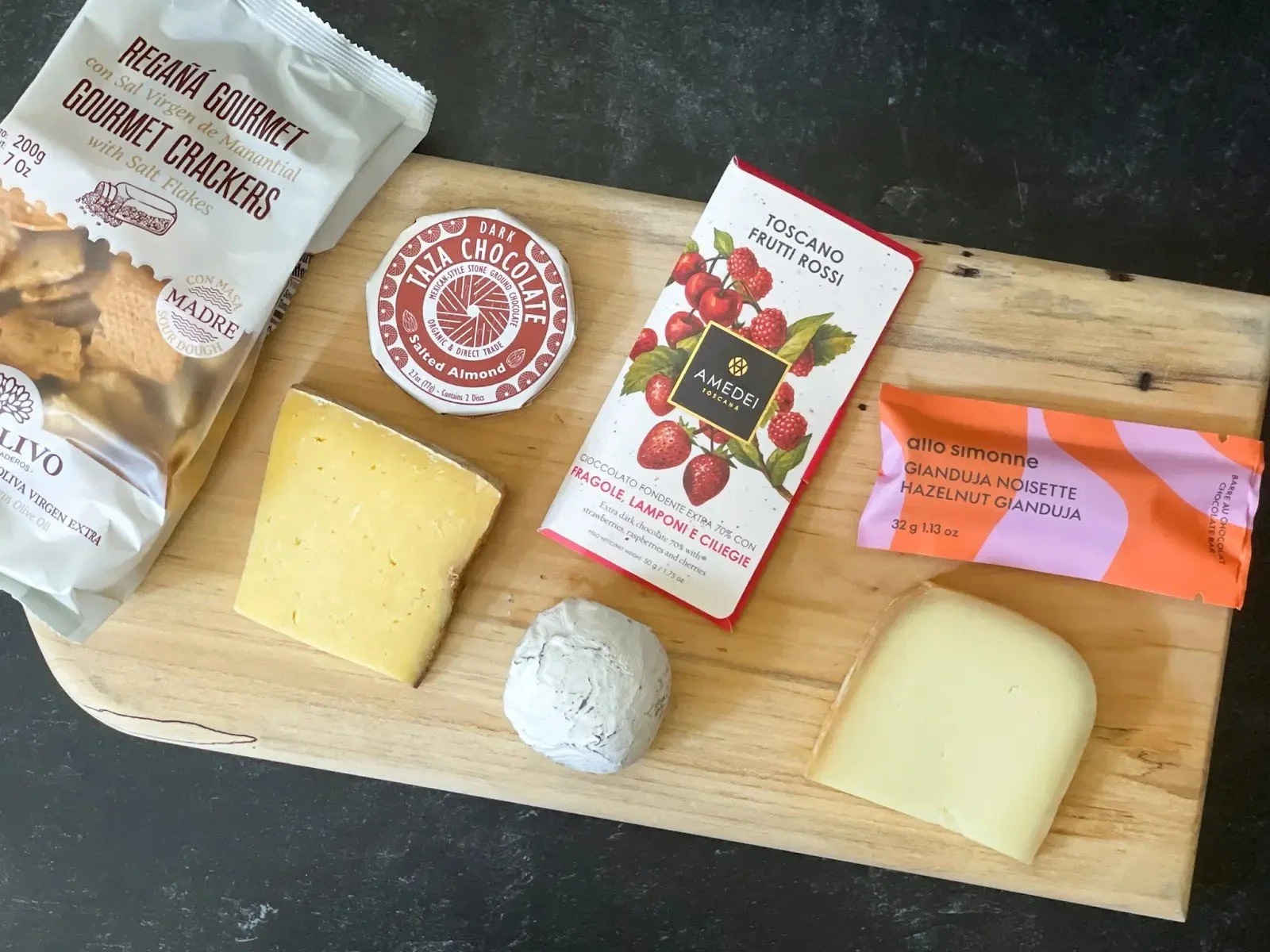
HOST Events Cheese and Chocolate Tasting Experience Kit
Hands-On Experiences Are Reshaping In-Person Field Marketing
In-person field marketing is evolving in a similar direction.
Rather than relying solely on large networking receptions or traditional conference booths, many organizations are designing smaller, interactive experiences that encourage deeper conversation with targeted audiences.
One format we are seeing gain momentum is the hands-on workshop experience.
For example, mocktail making classes using locally sourced seasonal ingredients have become a popular way to bring clients and prospects together. Guests learn something new, participate directly in the activity, and interact naturally with hosts and fellow attendees. The format creates an environment where conversation flows more easily than it might in a traditional networking setting.
These experiences are increasingly being incorporated into client open house events hosted directly within company offices or showrooms.
This approach is particularly effective for organizations that benefit from demonstrating their products or expertise in person. Commercial furniture dealers, architectural and design firms, and technology companies often use these gatherings to showcase their work while creating space for relaxed client interaction.
Rather than asking guests to walk through rows of booths, the environment invites them to experience the brand in a more personal and engaging way.
When the experience itself becomes the focal point of the event, the interaction feels less like a sales pitch and more like a conversation. That shift can significantly strengthen the quality of client relationships and make the event more memorable for everyone involved.
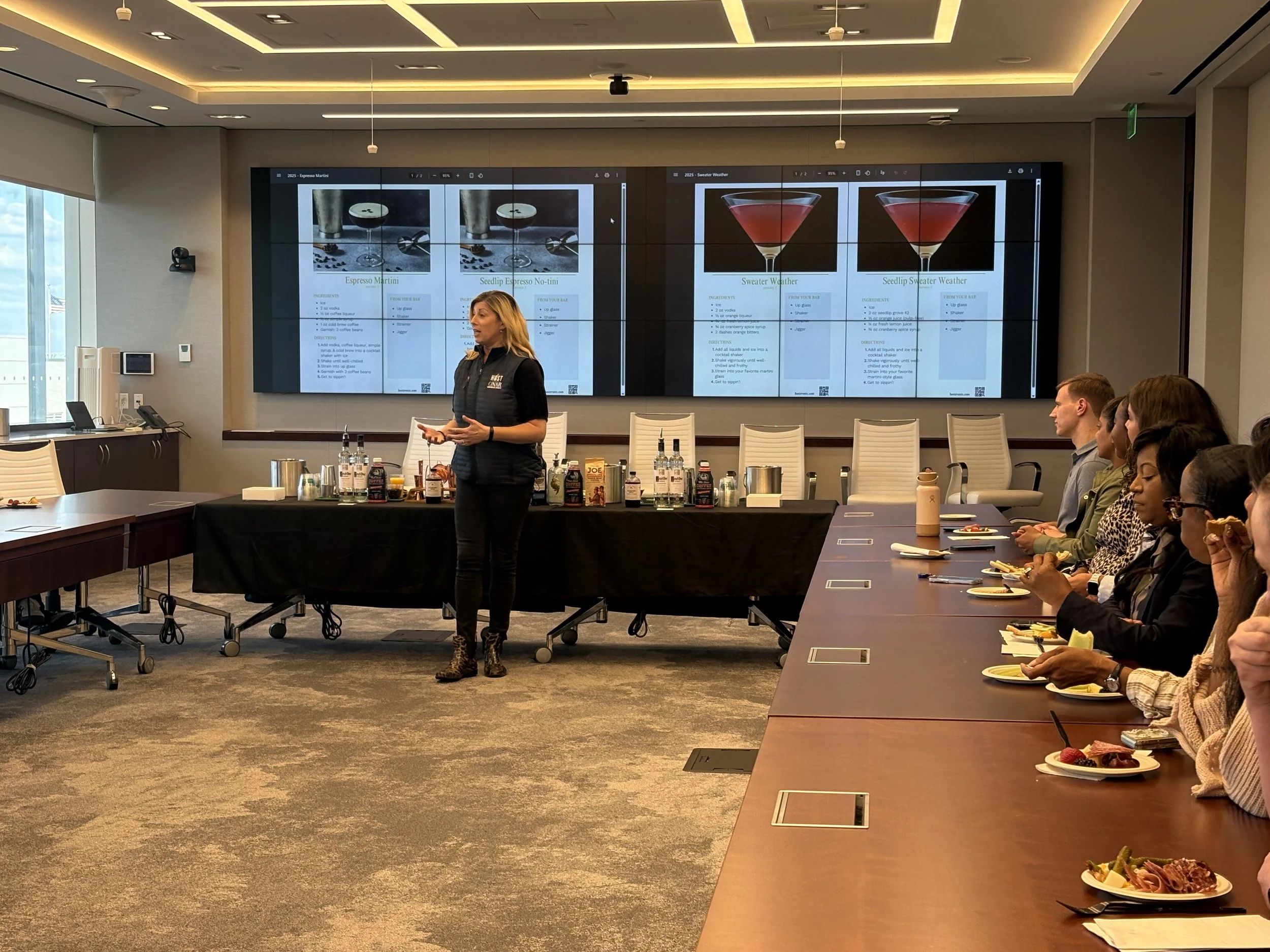
HOST Events hands-on mixology experience
The Era of Generic Swag Is Ending
Another change quietly reshaping field marketing is the declining impact of generic promotional giveaways.
For years, conference tables and event booths were filled with branded keychains, stress balls, hand sanitizer bottles, and coffee mugs. While easy to distribute, these items rarely created lasting value for attendees.
Today, audiences are saturated with this type of promotional merchandise. Most attendees already have drawers full of similar giveaways from past events, making new items far less memorable.
As a result, many companies are moving away from traditional swag in favor of branded items that are integrated into the experience itself.
When the item serves a purpose during the event — and remains useful afterward — it becomes far more memorable.
• High-quality travel journals used for note-taking during keynote sessions and breakout discussions
• Premium drink tumblers incorporated into coffee lounge experiences so guests use them immediately during the event
• Weather-resistant tote bags that help attendees carry materials during the conference and are often reused later for travel or shopping
Items like these feel less like promotional merchandise and more like useful tools that enhance the experience.
Because they serve a purpose during the event itself, they are more likely to remain in circulation afterward — extending the visibility of the brand well beyond the original event.
For marketing teams, this shift represents a subtle but important change. Instead of simply placing logos on items, organizations are finding ways to embed their brand within the experience itself.
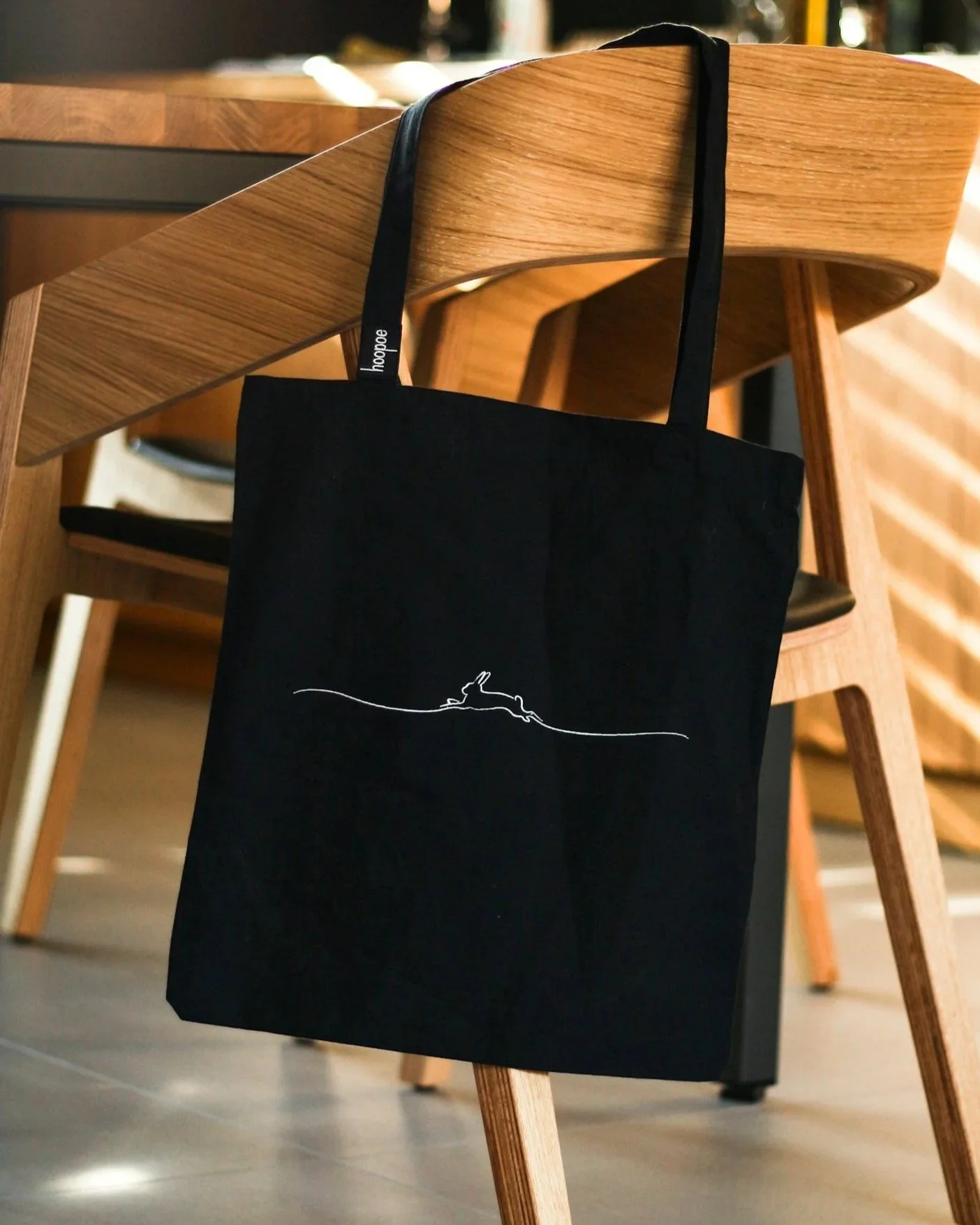
Branded reusable totes keep your logo visible long after the event
Execution Still Determines ROI
Creative concepts often receive the most attention when field marketing programs are discussed. But the success of an activation is just as dependent on the systems and logistics supporting the experience.
Even the most thoughtful concept can fall short if execution introduces friction — a topic we explored further in our recent HOST Blog, Event Friction Is Expensive.
Guests notice when registration is confusing. They notice when invitations arrive too late for them to realistically attend. They notice when event communication is unclear or when check-in lines slow the flow of the experience before it even begins.
Each of these moments may seem small on their own. But together they shape how guests perceive the event and, ultimately, the brand behind it.
Strong field marketing programs pay close attention to the entire guest journey.
From the first invitation to the final follow-up, every touchpoint should support the same objective: making it easy for guests to participate, engage, and connect with the hosting team.
When the operational foundation is well structured — clear invitations, streamlined registration, thoughtful communication, and well-paced programming — guests spend less time navigating logistics and more time building relationships.
And in field marketing, those relationships are what drive long-term value.
Final Thoughts
Field marketing continues to evolve as companies refine how they connect with clients and prospects.
Across many industries, the most successful programs are shifting toward smaller, more thoughtful experiences that prioritize meaningful engagement over passive promotion.
Curated gatherings. Hands-on activations. Hospitality-driven virtual experiences.
Each of these approaches creates an environment where real conversations can take place — the kind that build trust, strengthen relationships, and move business forward.
As marketing teams look ahead, the organizations that stand out will likely be the ones that treat field marketing not simply as an event, but as an opportunity to create experiences people genuinely remember.
Field Marketing Experiences Designed to Engage
The most successful field marketing programs prioritize meaningful interaction over passive promotion. From curated virtual experiences to hands-on in-person activations, HOST helps marketing teams design events that spark real conversation and lasting client relationships.
Explore Field Marketing Experiences See What HOST Can Build For You