
The Kentucky Derby Effect
with thoughts from Olive Pique, HOST’s resident event expert and mascot
For seven years running, the Kentucky Derby has remained one of the most requested themes across our client portfolio. Not because of mint juleps or fascinators — but because it works. Internally, it energizes teams and lowers the barrier to participation. Externally, it softens outreach and turns prospecting into hospitality. Whether hosted in person or delivered virtually, the Derby consistently proves a larger point: when theme is used strategically, attendance rises, conversation flows more easily, and connection becomes intentional.
In this HOST Blog, we’re breaking down the psychology behind themed events—why they outperform generic gatherings, how they lower resistance, and how intentional design elevates both prospecting and team culture.
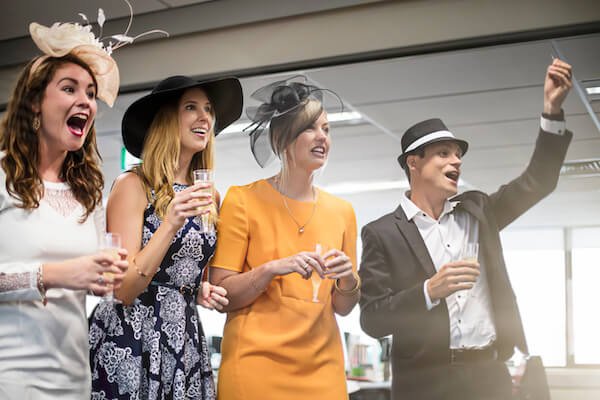
The Kentucky Derby Effect in action
Theme Is Not Decoration. It’s Design.
Theme, when used intentionally, is not about color palettes or cocktails. It’s about structure. A clear theme gives an event narrative shape. It tells guests what to expect, how to engage, and why they’re there before they ever walk into the room or log into the platform.
That clarity matters.
When invitations are vague — “Join us for a networking reception” or “Team gathering next Thursday” — attendance relies on obligation. When invitations are framed with a compelling theme — “Derby Day Social,” “Trackside Client Lounge,” or “Spring Kickoff Celebration” — attendance is driven by curiosity and anticipation.
The Theme Psychology
Theme creates:
Interest — a defined reason to engage.
Intrigue — a clear hook that cuts through noise.
Energy — emotional momentum before arrival.
Structure — expectations that reduce hesitation.
Connection Points — shared references that accelerate conversation.
For internal teams, that structure lowers hierarchy and removes social friction.
For client-facing events, it reframes outreach from presentation to experience — from pitch to hospitality.
Theme is not aesthetic. It is engineered anticipation.
Why Theme Outperforms Generic Events
Generic events rely on obligation. Themed events create anticipation.
When an invitation lacks context, attendance is conditional. When it signals a defined experience, attendance becomes intentional.
That distinction is strategic.
Clarity Drives Action
Clear framing reduces cognitive load. When people understand tone and purpose, decision-making accelerates.
Ambiguity slows response.
Emotion Increases Memory
Immersive, narrative-driven experiences generate stronger recall than passive gatherings. People remember how an event made them feel — and who they connected with inside it.
People don’t remember:
“That Q2 client reception.”
They remember:
“The Derby event with the hats and bourbon tasting.”
That memory strengthens follow-up, brand association, and internal morale alike.
Structure Reduces Friction
A strong theme provides built-in architecture:
Visual cohesion
Messaging alignment
Programming flow
Natural conversation entry points
That structure improves both attendance and execution.
The Kentucky Derby is a consistent proof point. But the principle applies broadly: when theme aligns to objective, attendance shifts from passive to purposeful.
Turning Theme Into Measurable Engagement
Theme performs when it serves a defined objective.
Before selecting décor, cocktails, or creative direction, define the outcome:
Increase prospect attendance
Deepen client relationships
Strengthen internal morale
Improve cross-team connection
Reactivate dormant accounts
When the objective is clear, the theme becomes a vehicle — not a distraction.
Below are examples of themes that consistently drive strong attendance across both internal and client-facing events.
Kentucky Derby
Why It Performs:
Seasonal relevance
Built-in visuals and rituals
Familiar but not overused
Hospitality-forward tone
Activation Ideas:
Best-dressed competition
Hybrid Derby lounge at conferences
St. Patrick’s Day
Why It Performs:
Recognizable cultural touchpoint
Lighthearted energy
Early spring morale boost
Activation Ideas:
Cinco de Mayo
Why It Performs:
High sensory appeal (food + music)
Strong visual identity
Social energy
Activation Ideas:
Decades Themes (Roaring ’20s, ’60s, ’80s/’90s)
Why They Perform:
Built-in nostalgia
Multi-generational appeal
Visual and music-driven engagement
Activation Ideas:
Speakeasy cocktail experience - think Great Gatsby vibes
’80s fitness challenge - cue the legwarmers and headbands with great music!
Retro-themed team building - think old school birthday party vibes (sack races, pin the tail on the donkey, musical chairs)
Current Event Themes (Olympics, Oscars, Super Bowl, World Cup)
Why They Perform:
Timely cultural relevance
Shared live moment
Built-in competition or celebration
Activation Ideas:
Viewing lounge with structured networking
Prediction brackets
Award-style recognition events
What These Themes Have in Common
They provide:
Immediate context
Emotional energy
Built-in conversation starters
Visual consistency
Clear invitation framing
That clarity increases RSVPs.
The emotional component increases engagement.
The structure improves follow-up effectiveness.
When theme aligns to objective, attendance is not accidental. It is engineered.
✍️ A Note from Amy
I love a great theme. From a planning perspective, it sparks creativity and makes collaboration with clients even more energizing. There’s something powerful about building an experience around a clear concept.
But the real reward? Watching the RSVPs roll in. Seeing the reactions on guests’ faces when they walk into the room — or log in virtually. And when the post-event feedback comes back filled with positive energy, that’s the icing on the cake.
Theme, when done well, makes the work feel lighter and the impact feel bigger.
Let’s figure it out, together.
— Amy O’Neil
Owner, HOST Events | ONAR Event Services
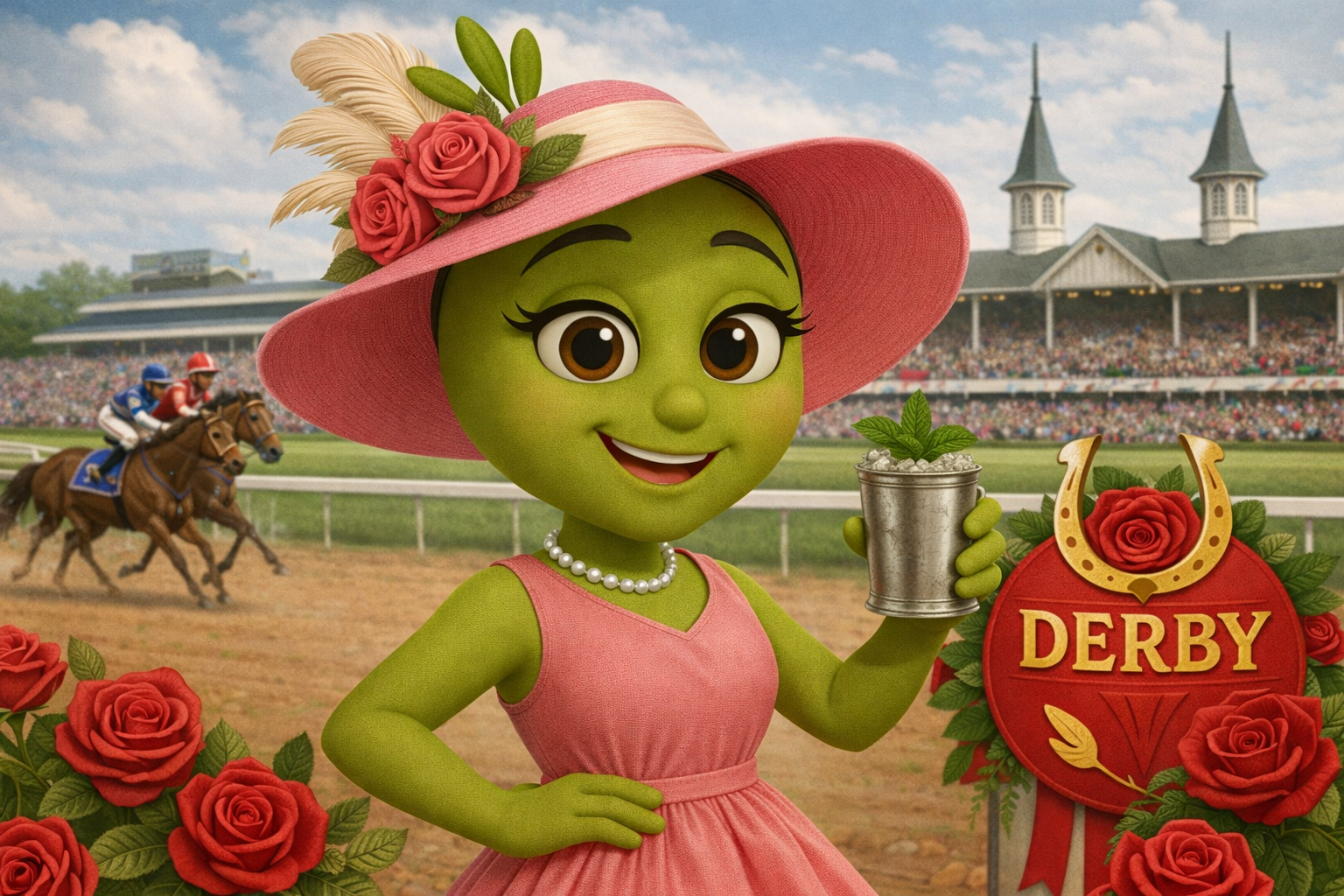
Olive Pique, HOST Events mascot living The Derby Effect
🫒 Olive Has Thoughts
Context changes behavior.
A generic invitation requires motivation. A themed invitation creates momentum.
Humans respond to structure. We engage more readily when expectations are clear and the experience feels defined.
Theme provides a framework. It reduces hesitation. It gives conversation somewhere to start.
From a design perspective, that’s not decorative. It’s operational efficiency.
Engagement improves when ambiguity decreases.
— Olive Pique, HOST mascot + engagement-pattern observer
Turn Theme Into Performance
The right theme doesn’t just fill a room—it shapes the energy inside it.
If you’re exploring ways to elevate attendance, deepen engagement, or bring more intention to your internal and client-facing events, thoughtful design is the place to begin.