
The Best Experiences Feel Easy
with thoughts from Olive Pique, HOST’s resident event expert and mascot
The best experiences feel impressive because they feel easy.
No friction. No confusion. No one quietly wondering what they’re supposed to do next. Whether it’s an internal meeting, a client interaction, or a larger shared experience, ease is what allows people to stay present instead of managing logistics in their heads.
Ease doesn’t mean less effort—it means the effort happened earlier, behind the scenes. Through preparation, clear roles, thoughtful pacing, and decisions made with the participant in mind.
In this HOST Blog, we’re unpacking why ease matters, how friction sneaks into experiences, and what intentional design looks like when the goal is clarity, connection, and flow.
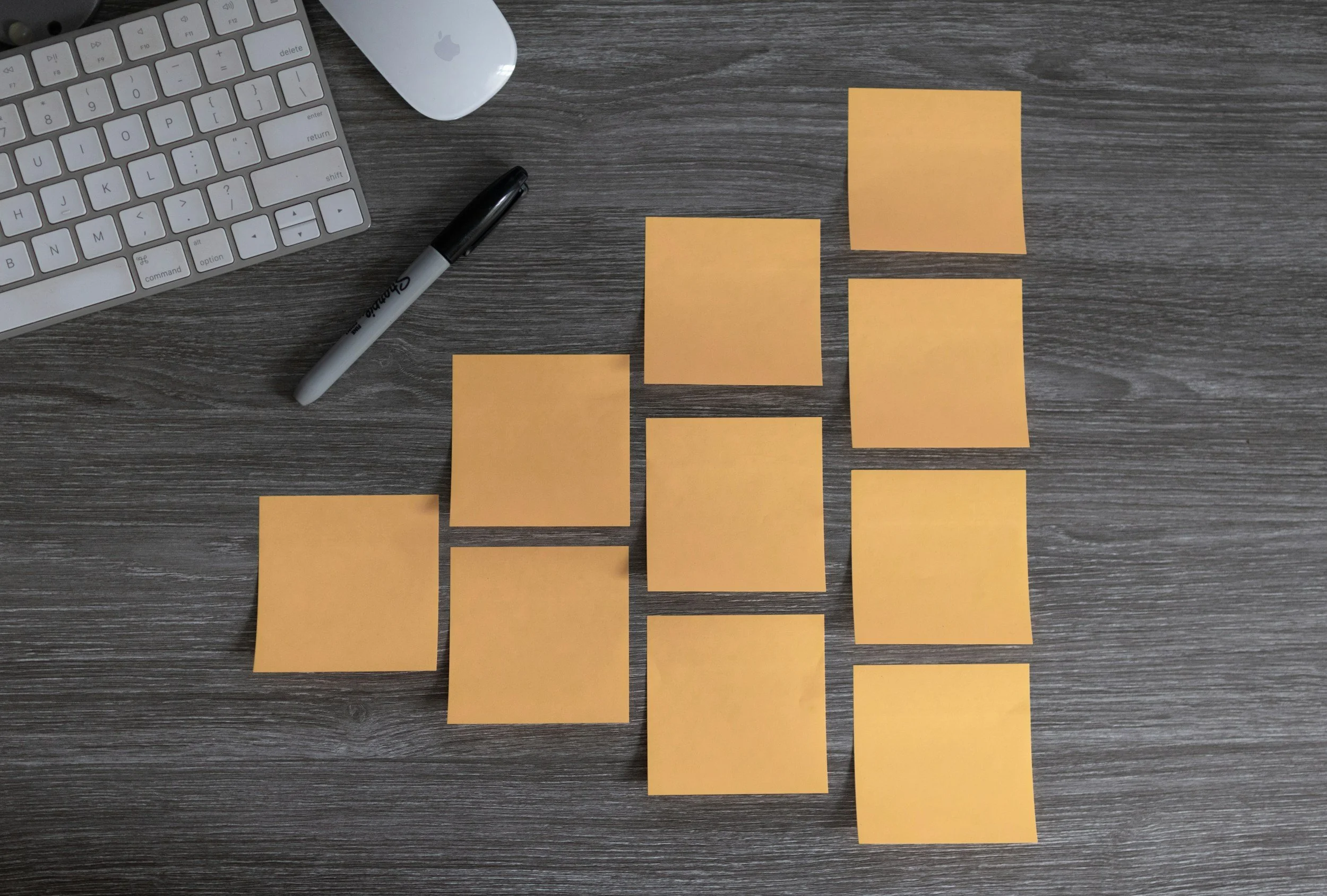
Designing the experience before anyone enters the room
WHERE FRICTION COMES FROM
We’ve all been there.
The meeting that starts late and runs long. The client call where no one’s quite sure who’s leading. The experience that technically works—but feels heavier than it should.
Nothing is outright broken, yet everything requires effort. People spend more time managing logistics, expectations, or uncertainty than actually engaging.
Most friction comes from small gaps in design. Unclear roles. Too many steps. Pacing that doesn’t match the moment. Assumptions about what people already know or how they’ll behave.
Friction is rarely dramatic—but it’s always felt.
EASE IS A SIGNAL
When something feels easy, it’s usually because someone thought ahead.
Ease is a signal. It tells people their time was respected, their attention was considered, and the experience was designed with intention. Nothing feels accidental. Nothing requires extra explanation.
In work and client-facing moments, ease shows up quietly:
communication arrives before questions form
transitions feel logical
expectations are clear without being over-explained
When experiences feel seamless, people stay focused on connection—not coordination. That’s when engagement has room to grow.
Ease doesn’t lower standards. It reflects preparation.
PRACTICAL WAYS TO DESIGN FOR EASE
Ease isn’t a mindset shift—it’s a series of small design choices that add up.
Here are a few ways leaders and teams can start creating experiences that feel smoother, clearer, and more effective right away:
Start with one outcome.
Before planning a meeting, experience, or interaction, define the single most important thing it needs to accomplish. If an element doesn’t support that outcome, remove it.
Make roles obvious before the moment begins.
People engage more confidently when they know who’s leading, who’s contributing, and what’s expected of them. Clarity upfront reduces hesitation later.
Reduce the number of decisions participants have to make.
Confusion drains energy. Simplify choices, streamline steps, and eliminate anything that requires people to figure things out on the fly.
Front-load information.
Share context, materials, and expectations early. When people don’t have to catch up in real time, they stay present and engaged.
Build in breathing room.
Leave space between transitions. Allow moments to land. Ease improves when experiences aren’t rushed end-to-end.
Watch for friction—and treat it as data.
If people disengage, hesitate, or ask the same questions repeatedly, don’t push harder. Adjust the design. Friction is feedback pointing directly to what needs refinement.
Designing for ease doesn’t mean lowering standards. It means creating conditions where people can focus, participate, and connect without unnecessary effort.
This is the kind of thinking we bring into how we design experiences at HOST—because when ease is intentional, results follow.
✍️ A Note from Amy
Friction gets my attention—especially when it shows up more than once.
One-offs happen. That’s life. But when the same pain point keeps resurfacing, that’s information. It’s a signal that something in the system isn’t working as well as it could. And that’s where I lean in.
This isn’t about blowing things up or throwing the baby out with the bathwater. It’s about paying attention. Asking why something feels harder than it should. Looking at how the team is operating, what’s slowing things down, and whether the systems in place are still serving the work.
The goal is improvement without disruption—refining what works, removing what doesn’t, and introducing better systems only when they reduce friction instead of creating more. That kind of evaluation is ongoing, intentional, and worth the effort.
When it’s done well, the result is simple: experiences that feel smoother, clearer, and easier to move through—without anyone needing to think about why.
Let’s figure it out, together.
— Amy O’Neil
Owner, HOST Events | ONAR Event Services
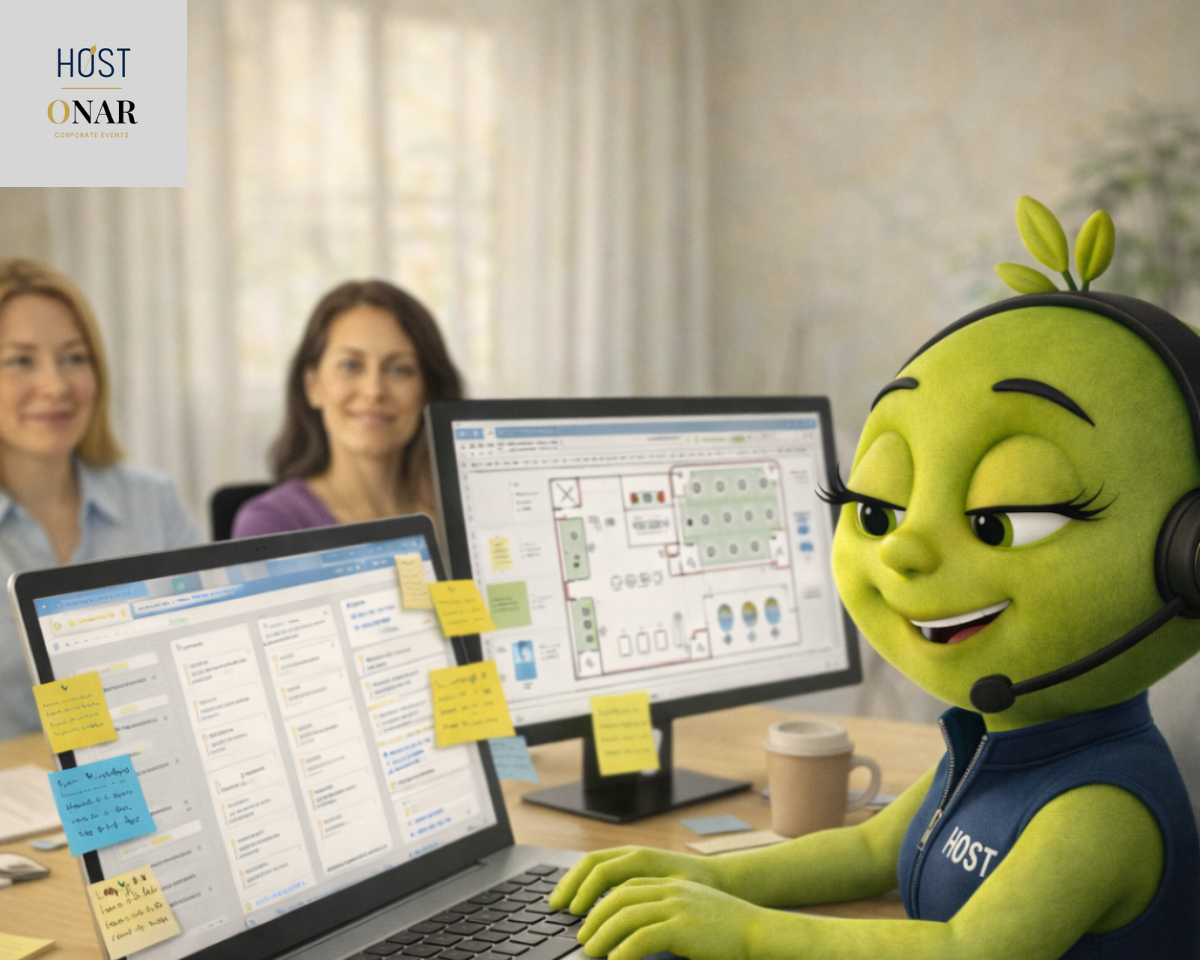
🫒 Olive Has Thoughts
In systems analysis, recurring friction is never random.
When the same issue shows up repeatedly, it’s not a people problem—it’s a design problem. Signals are misaligned. Steps are unnecessary. Processes are asking too much at the wrong moment.
Humans experience this as “something feels off.” Systems experience it as inefficiency.
The solution isn’t more effort. It’s better structure. Refinement. Adjustment. Iteration.
The most effective systems don’t eliminate friction entirely. They reduce it where it matters most—and make the rest easier to navigate.
From a performance standpoint, ease isn’t accidental. It’s engineered.
— Olive Pique, HOST mascot + friction-pattern observer
Ready to Design Experiences That Feel Easy?
Ease doesn’t happen by accident. It’s the result of thoughtful systems, intentional design, and attention to how people actually move through an experience.
At HOST, we help teams and organizations design internal and client-facing experiences that reduce friction, create flow, and work smoothly from start to finish.