
Igniting Engagement Through Comfort and Choice
with thoughts from Olive Pique, HOST’s resident event expert and mascot
Engagement doesn’t come from louder asks or more mandatory moments. It grows when people feel comfortable enough to participate in ways that feel natural—whether they’re part of your team or sitting across the table as a client.
Connection at work isn’t built through pressure or performance. It’s built through choice—how people enter conversations, how they contribute, and how supported they feel in showing up as themselves. That applies just as much to internal meetings as it does to client interactions, prospect conversations, and relationship-building moments.
When comfort is present, engagement follows.
In this HOST Blog, we’re exploring how choice, comfort, and flexibility quietly fuel engagement—and how thoughtful design creates stronger internal culture and more meaningful client connections.
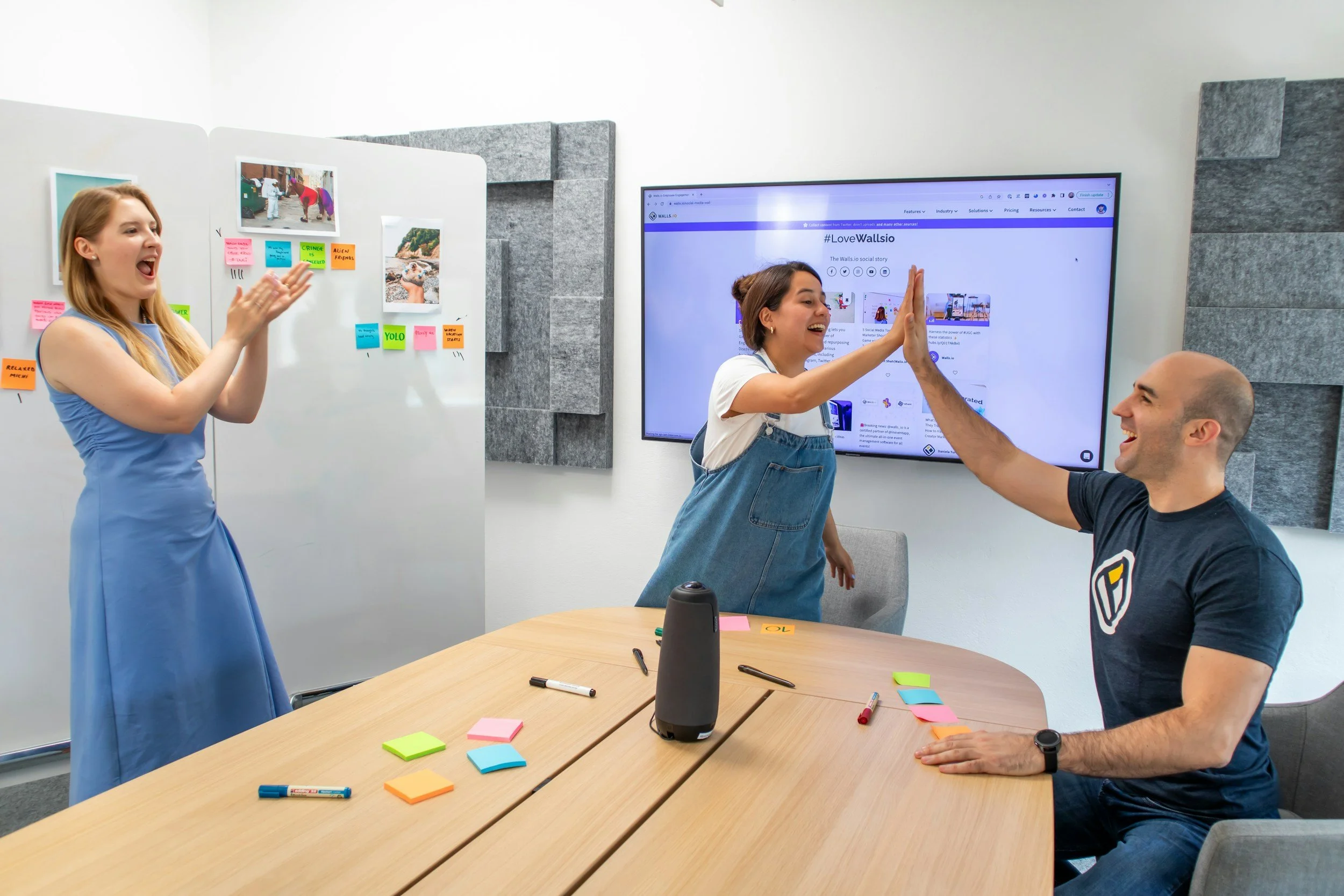
Engagement isn’t about the high-five — it’s about what made it possible
CHOICE IS A SIGNAL, NOT A NICE-TO-HAVE
Engagement drops when people feel boxed into a single way of participating. Not because they don’t care—but because the format doesn’t fit.
Choice sends a signal. It tells people—employees, clients, partners—that their preferences, energy levels, and styles matter. When people are given options in how they engage, participation becomes intentional instead of performative.
Research backs this up. Employees who feel they have autonomy in how they work and contribute are 4.6 times more likely to be engaged than those who don’t¹. Choice isn’t a perk—it’s a driver of commitment.
This shows up everywhere:
how meetings are structured
how feedback is invited
how clients are brought into conversations
Choice doesn’t weaken alignment. It strengthens buy-in.
COMFORT MAKES PARTICIPATION POSSIBLE
People engage more fully when they feel at ease. That doesn’t mean lowering expectations—it means removing unnecessary friction.
Comfort shows up in tone, pacing, and how much pressure is attached to participation. When people aren’t worried about being put on the spot or performing on demand, they contribute more honestly and more often.
This isn’t just a “nice feeling”—it’s measurable. Research from Google’s Project Aristotle found that psychological safety was the single strongest predictor of team effectiveness, more than talent, experience, or workload².
The same holds true in client-facing settings. Comfortable clients ask better questions. They share clearer feedback. Conversations move from guarded to collaborative.
Comfort doesn’t dull engagement. It unlocks it.
ENGAGEMENT HAS MORE THAN ONE LOOK
Not everyone engages the same way—and that’s not a problem to solve. It’s a reality to design for.
Some people speak up quickly. Others process internally before contributing. Some clients thrive in high-energy discussions. Others prefer structured, low-pressure exchanges.
Global leadership research shows that while over 80% of executives identify engagement as a top priority, many also acknowledge that one-size-fits-all approaches don’t work³. Engagement improves when it’s flexible enough to meet people where they are.
Strong teams and strong client relationships don’t force uniform engagement. They make room for different expressions of it.
When leaders and hosts recognize that engagement looks different depending on the person and the moment, participation broadens instead of narrowing.
DESIGNING ENGAGEMENT PEOPLE ACTUALLY WANT TO JOIN
Creating engagement that feels natural doesn’t require reinventing the wheel. It starts with a few intentional design choices that reduce pressure and expand participation.
Here are some ways leaders and hosts can put choice and comfort into practice—internally and with clients:
Offer more than one way to participate.
Not every conversation needs to happen in the same format. Mix group discussion with smaller breakouts. Pair live moments with follow-up options. Let people engage in ways that match their energy and style.
Set expectations before the moment.
Clarity creates comfort. When people know what a meeting, conversation, or experience is asking of them—and what it isn’t—they’re more likely to show up ready to engage.
Remove pressure from participation.
Engagement shouldn’t feel like a performance. Avoid calling on people without warning. Create space for reflection before response. Normalize listening as a form of participation.
Design for pacing, not urgency.
Engagement improves when things aren’t rushed. Build in pauses. Allow conversations to unfold. Give people time to process before expecting decisions or feedback.
Pay attention to how people respond.
Disengagement is information. If energy drops, participation narrows, or conversations stall, it’s often a design signal—not a people problem. Adjust the experience instead of pushing harder.
This is the kind of thinking we bring into how we design experiences at HOST—because engagement works best when it’s built with intention, not pressure.
✍️ A Note from Amy
I’ve learned that engagement isn’t something you can demand—no matter how good your intentions are.
Over the years, I’ve seen how quickly pressure can shut people down. When participation feels forced, energy drops. When expectations aren’t clear, people hesitate. And when too much is asked, too quickly, even the best-designed moments can miss the mark.
What I’ve come to understand—both as a leader and as someone who designs experiences for a living—is that engagement grows when people are given room to show up in ways that feel natural to them. When choice is built in. When curiosity is invited, not required. When listening carries just as much weight as speaking.
That perspective shapes how I lead, how I work with clients, and how we approach experience design at HOST. Because the moments that resonate most—the ones people lean into—are the ones that feel intentional, not imposed.
Let’s figure it out, together.
— Amy O’Neil
Owner, HOST Events | ONAR Event Services
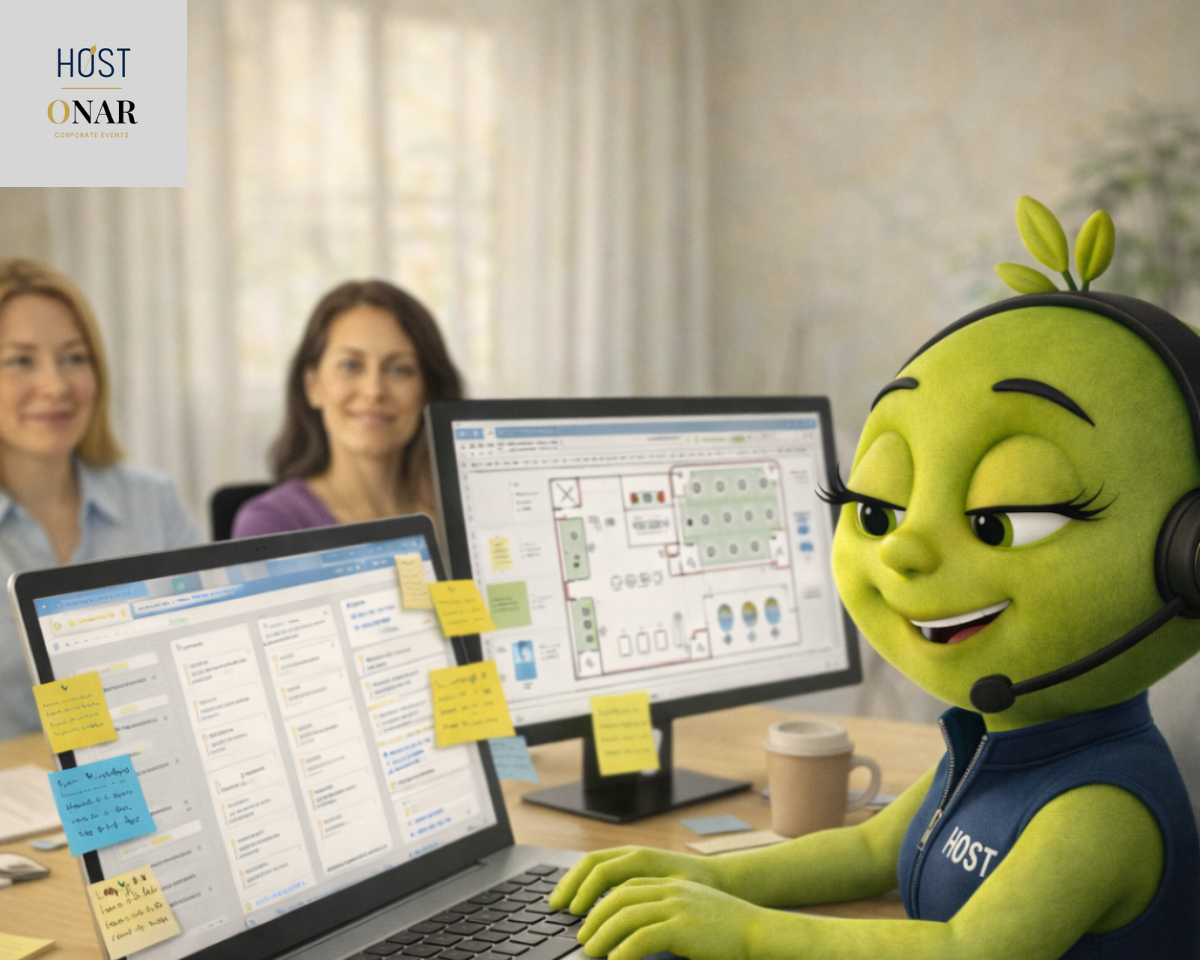
🫒 Olive Has Thoughts
In systems design, participation quality matters more than participation volume.
Forced inputs create noisy signals. Rushed participation lowers accuracy. And when everyone is pushed through the same path, output suffers.
Humans aren’t that different.
Flexibility improves signal clarity. Choice stabilizes engagement. Clear expectations reduce the need for repetition—and correction.
From an efficiency standpoint, this isn’t indulgent. It’s strategic.
Engagement works best when systems are designed to support different styles instead of pretending everyone operates the same way.
— Olive Pique, HOST mascot + engagement-pattern observer
Build the System Before the Spotlight
Strong teams don’t rely on last-minute heroics. They rely on preparation, clarity, and systems that hold under pressure.
HOST designs experiences and infrastructure that help teams stay steady—before, during, and long after the big moment.
1 Gallup — State of the Global Workplace: Employee Engagement Gallup Workplace
2 Google re:Work — Understanding Team Effectiveness (Project Aristotle) Google re:Work
3 Harvard Business Review — What Psychological Safety Is and Isn’t Harvard Business Review