
When the System Holds, the Team Delivers
with thoughts from Olive Pique, HOST’s resident event expert and mascot
Everyone sees the delivery. Few notice the system holding it together.
By the time a team reaches a stage as big as the Super Bowl, the outcome is rarely about a single play, a single leader, or a single star. It’s the result of decisions made months—sometimes years—earlier. Systems built patiently. Trust earned slowly. Leadership that held steady when things were shaky.
If you’ve been watching the New England Patriots this season, you’ve seen exactly what that looks like in real time.
A young quarterback.
A first-year head coach who knows the organization.
A team coming off years of transition and scrutiny.
And yet—here they are.
Not because the chaos disappeared, but because the foundation finally did its job.
In this HOST Blog, we’re breaking down how leadership, systems, and trust shape performance under pressure—and what the Patriots’ return to the Super Bowl reveals about building teams that are prepared long before the spotlight hits.
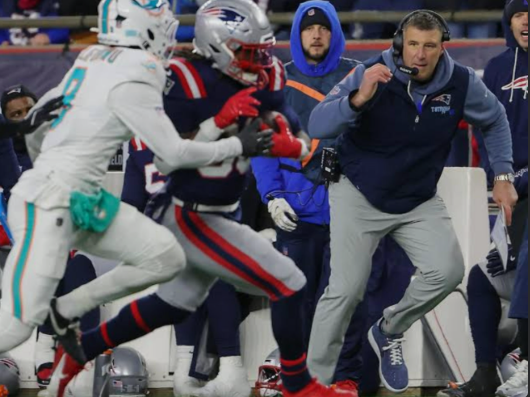
When the system holds, the team delivers
THE REBUILD WAS NEVER ABOUT FLASH
Dynasties don’t fall apart overnight—and they don’t get rebuilt with hype alone.
What we’ve watched over the past few seasons in New England wasn’t a collapse. It was a reset. A recalibration. A deliberate move away from shortcuts and toward reinforcing the system from the ground up.
New leadership. A young quarterback. A roster that had to relearn trust. No nostalgia plays. No “remember when” energy. Just fundamentals, accountability, and reps.
That kind of rebuild takes patience—and clarity. Roles have to be understood. Expectations have to be consistent. Leadership has to show up steadily, especially when the noise gets loud.
Momentum doesn’t return because talent improves. It returns when structure, trust, and discipline start working together again.
In football and in business, the real glow-up starts behind the scenes.
TALENT ALONE CAN’T CARRY A TEAM
Talent gets attention. Systems get results.
One of the most common mistakes leaders make during a rebuild is expecting individual brilliance to compensate for missing structure. Star players can spark momentum, but without a system to support them, that momentum is fragile.
What’s stood out this season isn’t just the talent on the field—it’s the clarity behind it. Roles are defined. Expectations are understood. Adjustments happen without panic.
That structure gives people room to perform.
Young players don’t need constant intervention. They need a framework they can trust. A system that supports learning without spotlighting every mistake. Leadership that corrects course without shaking confidence.
When the system holds, execution steadies. Decisions speed up. Trust compounds.
Talent shines brightest when it’s supported by structure—not forced to carry everything on its own.
PRESSURE TESTS THE SYSTEM
Pressure doesn’t introduce new problems.
It exposes the ones that were already there.
When the stakes are high, there’s no time to invent clarity. Communication either holds or it doesn’t. Decision-making either speeds up or spirals. Trust either shows up—or it fractures.
That’s where preparation matters more than adrenaline.
What separates teams that stay steady from teams that unravel isn’t intensity. It’s repetition. The unglamorous work done long before the spotlight—running the same plays, reinforcing expectations, correcting small issues early.
You see it on the field when adjustments happen quickly. No scrambling. No confusion. Just execution.
The same dynamic plays out inside organizations.
When pressure hits—tight timelines, high visibility, real consequences—teams don’t suddenly rise. They fall back on what’s already been built.
Strong systems don’t eliminate pressure.
They give people something solid to stand on when it arrives.
THE LONG GAME IS THE REAL GAME
Short-term wins get attention.
Long-term discipline builds teams that last.
What makes this Patriots’ return meaningful isn’t just this season—it’s the patience that came before it. Years of recalibration. Decisions that didn’t pay off immediately. Leadership that resisted the urge to overcorrect when things didn’t click right away.
That’s the long game.
The long game is consistency over reaction. Reinforcing fundamentals when no one is watching. Trusting that small, repeatable decisions compound over time.
In football, it shows up in how teams draft, develop, and retain talent. In how coaches earn trust over seasons—not press conferences. In how systems are refined quietly, week after week.
At work, it looks remarkably similar.
Leaders who play the long game:
invest in clarity before urgency
build processes that hold up under stress
prioritize trust over control
stay steady when outcomes aren’t immediate
They understand that culture isn’t built in a quarter—or a quarter-end. It’s shaped in how people are supported between the big moments.
When teams know leadership won’t change direction every time pressure shows up, confidence grows. Decision-making improves. People lean in instead of bracing for impact.
The long game doesn’t always look exciting in the moment.
But when it works, it changes everything.
✍️ A Note from Amy
The hardest leadership work happens in the rebuilds—the quiet stretches where progress is real but not always obvious. Playing the long game means staying steady when outcomes lag behind effort, resisting the urge to overcorrect, and trusting that small, disciplined decisions add up over time.
That mindset shapes how I lead at HOST. We focus on building systems that hold, teams that trust each other, and experiences that feel steady even under pressure.
Because when leadership commits to the long game, delivery becomes repeatable—not reactive.
Let’s figure it out, together.
— Amy O’Neil
Owner, HOST Events | ONAR Event Services
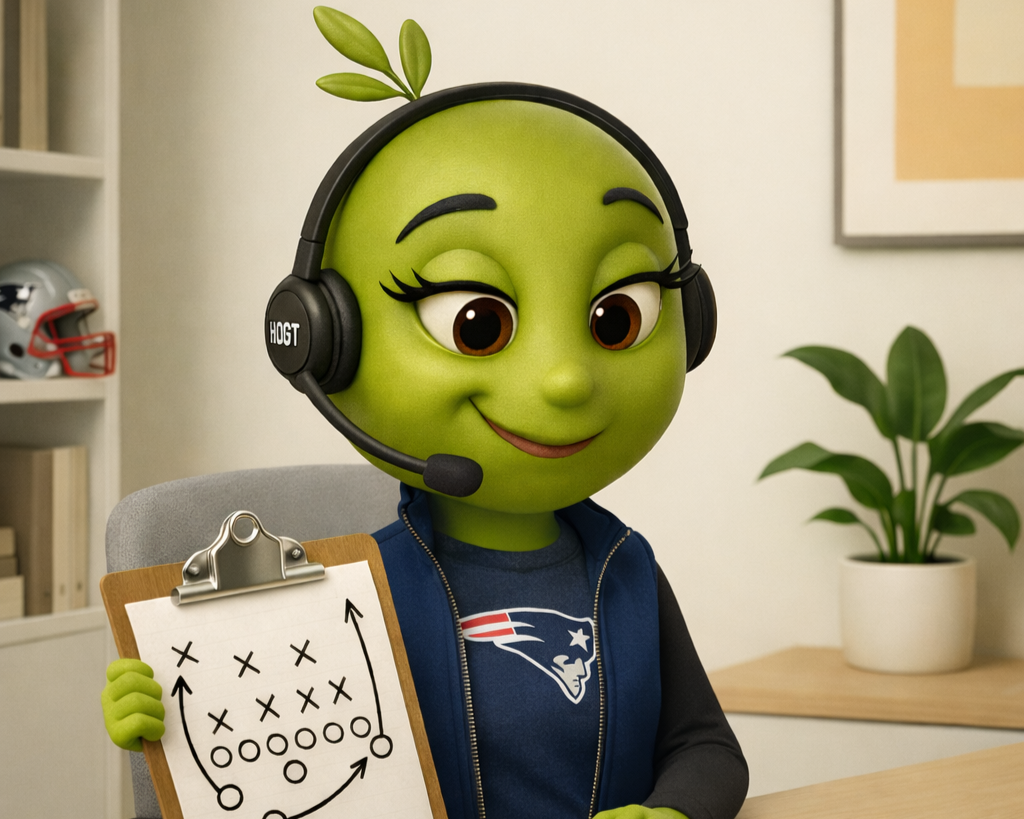
🫒 Olive Has Thoughts
Systems don’t fail under pressure. They behave exactly as designed.
When roles are unclear, decisions slow down. When processes are fragile, small issues cascade. When trust is thin, everything feels harder than it needs to be.
Strong systems reduce decision fatigue. They remove unnecessary friction. They allow people to focus on execution instead of constantly recalibrating.
From a systems perspective, consistency isn’t boring. It’s stabilizing.
The long game works because it replaces reaction with reliability.
— Olive Pique, HOST mascot + systems-minded realist
Build the System Before the Spotlight
Strong teams don’t rely on last-minute heroics. They rely on preparation, clarity, and systems that hold under pressure.
HOST designs experiences and infrastructure that help teams stay steady—before, during, and long after the big moment.