
The Experience You're Creating Isn't The One They're Having

The people creating an experience are often the least qualified to judge it.
At first glance, that sounds backwards. After all, who understands an experience better than the people responsible for creating it?
The answer is often the people experiencing it for the very first time.
Familiarity has a way of creating blind spots. The longer we spend building something, the harder it becomes to see it objectively. We stop noticing the friction, the confusion, the assumptions, and the small details that shape how others experience what we've created.
The closer we are to something, the harder it becomes to see it through fresh eyes.
In this HOST Blog, we're exploring why perspective may be one of the most overlooked tools for creating memorable experiences—and what happens when teams intentionally step outside their own point of view.
The Blind Spot Effect
An interesting thing about human nature is how quickly we become accustomed to our surroundings.
The longer we spend building something, the harder it becomes to experience it the way someone new will. We know where to park. We know which door to use. We know what the email meant. We know where to click next. We know how the process works because we helped create it.
This happens everywhere. Leaders stop noticing friction in processes they've followed for years. Marketing teams become so familiar with their messaging that they assume everyone understands it. Event teams spend months planning an experience and gradually lose the ability to see it through a guest's eyes.
What feels obvious from the inside often feels very different from the outside.
A confusing entrance. An awkward process. A cluttered space. A missing detail. An unclear instruction.
These are often the things first-time visitors notice immediately.
The people closest to the experience often don't.
Not because they don't care.
Because they've become familiar with it.
That's why some of the most valuable insights come from people experiencing something for the very first time. They notice what others have stopped seeing.
And that's often the perspective that matters most.
Which raises an important question:
How often do we experience the things we create the way other people experience them?
Walking The Path In New Shoes
It's a simple question, but one that organizations rarely ask.
For years, one of the final things the HOST Events team has done before guests arrive is walk the guest journey.
Whether the experience is virtual, in-person, or hybrid, the goal is the same: understand what participants see, hear, feel, and encounter before they ever engage with the experience itself.
Starting at the entrance, we experience the event exactly as a guest would. We move through registration, seating areas, food stations, activations, and gathering spaces. We pay attention to signage, lighting, sound levels, traffic flow, and the countless small details that shape an experience.
But the exercise isn't limited to event managers.
Bartenders participate. Servers participate. Coat check attendants participate. Back-of-house teams participate. Anyone responsible for supporting the guest experience is encouraged to see it through the guest's eyes.
The purpose isn't to test whether people know their individual responsibilities.
It's to help them understand how those responsibilities fit into the larger experience.
A bartender should know when the keynote is happening. A coat check attendant should know where guests are headed next. A facilitator should understand what participants experienced before joining a virtual event. A kit fulfillment team should understand that the package they carefully assembled may be a guest's very first interaction with a company or brand.
When people understand the experience they're helping create, they begin to see the importance of their role differently.
And often, they perform it differently too.
All that work happening behind the scenes suddenly has context.
The people assembling kits, stocking bars, checking guests in, managing logistics, or supporting production aren't simply completing tasks. They're helping shape an experience.
What may appear perfectly clear from the service side doesn't always look the same from the guest side.
That's why walking the guest journey isn't really about events at all.
It's an exercise in perspective.
The Start Time Isn’t The Same For Everyone
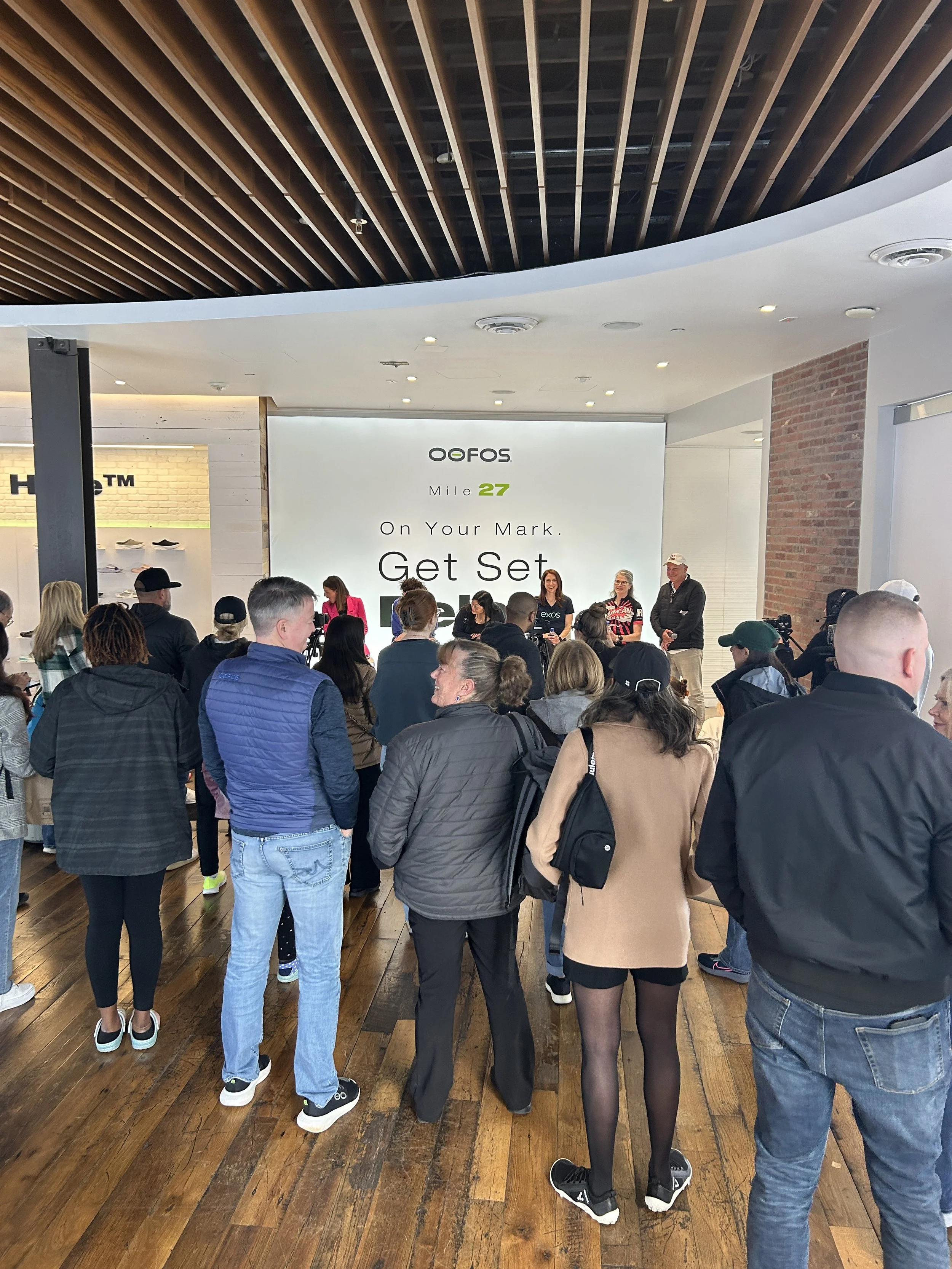
Stepping into new shoes reveals something many experience creators overlook: the start time isn't the same for everyone.
Experiences rarely begin at the same moment for everyone involved.
To the team, an event may be halfway through. The keynote has started. Food has been served. Conversations are already happening.
To the guest just arriving, the experience is just beginning.
The same principle applies to virtual events.
The facilitator may have rehearsed for weeks. The event team may have tested every link, reminder email, and piece of technology multiple times. A kit may have been packed and shipped days earlier.
But the participant logging in or opening that package is experiencing it for the very first time.
That shift in perspective changes how you think about the experience you're creating.
A registration table, welcome email, or shipped event kit may feel like a small operational detail to the team creating the experience. To the participant, it may become a first impression.
The strongest experiences recognize that people arrive with different levels of familiarity, context, and understanding. They make it easy for people to find their footing, regardless of when or how they enter the experience.
This is one of the reasons consistency matters so much.
Whether someone is the first guest to arrive or the last, whether they're opening the first kit packed or the hundredth, the experience should feel intentional.
Because every participant is experiencing their own first five minutes.
And those first five minutes often shape everything that follows.
Your Last Impression Is Your Lasting Impression
If first impressions shape expectations, last impressions shape memories.
For years, one philosophy has consistently proven itself:
Your Last Impression Is Your Lasting Impression.
Think about some of the most beloved television series or movie franchises.
Audiences spend years invested in the characters, storylines, and emotional journey. They celebrate the highs, forgive the occasional misstep, and eagerly return season after season.
Then the finale arrives. Sometimes it lands perfectly. Other times it doesn't.
And when it doesn't, something interesting happens. Years of positive memories suddenly become filtered through the audience's feelings about the ending. The experience as a whole hasn't changed, but the final chapter influences how people remember everything that came before it.
Experiences work the same way.
A virtual event may run flawlessly, yet a missing note card from one kit becomes the detail a participant remembers most. Not because it ruined the experience, but because it stood out.
An in-person event may be executed beautifully from start to finish, but if professionalism disappears during breakdown, that final interaction can linger longer than the keynote, the menu, or the entertainment.
The same principle applies far beyond events.
Customers remember how a problem was resolved.
Clients remember the final conversation after a project concludes.
The last touchpoint often becomes the lens through which everything else is viewed.
This is why perspective matters.
The strongest teams understand that the experience isn't over simply because the work is done.
Every interaction, from the first touchpoint to the final one, contributes to the story people tell themselves about what they experienced.
And in many cases, the final chapter becomes the one they remember most.
Final Thoughts
The longer we spend building something, the harder it becomes to experience it the way others do.
Familiarity has a way of narrowing perspective. Over time, even the most carefully designed experiences can start to feel obvious to the people who created them. We know where to go, what to do, and how the process works because we've lived with it for weeks, months, or even years.
But people don't experience our work through our intentions.
They experience it through moments.
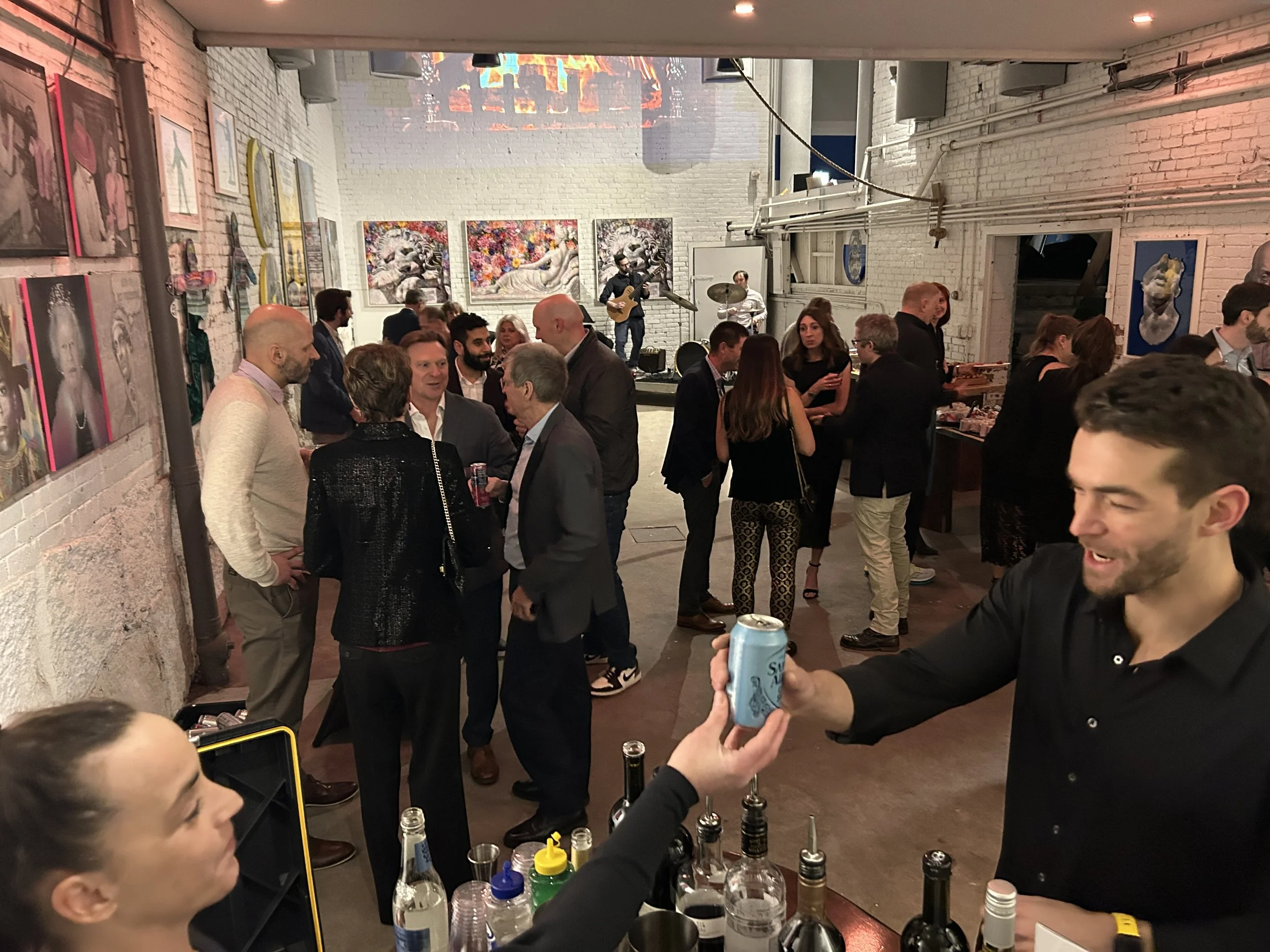
A welcome email. A package arriving at their door. A conversation with a bartender. A helpful interaction. A first impression. A last impression.
Those moments shape how people feel, what they remember, and ultimately the story they tell themselves about the experience.
That's why perspective matters.
Whether you're planning an event, designing a customer experience, launching a marketing campaign, or creating something entirely new, there is value in stepping outside your own point of view and experiencing it through someone else's eyes.
The strongest teams never stop asking what the experience looks like from the other side.
Because great experiences begin when we're willing to step into someone else's shoes.
Great Experiences Begin With Perspective
From virtual experiences and team-building programs to client events and field marketing activations, HOST helps organizations create experiences that feel intentional, engaging, and memorable from the participant's point of view.
Start Planning With HOST